
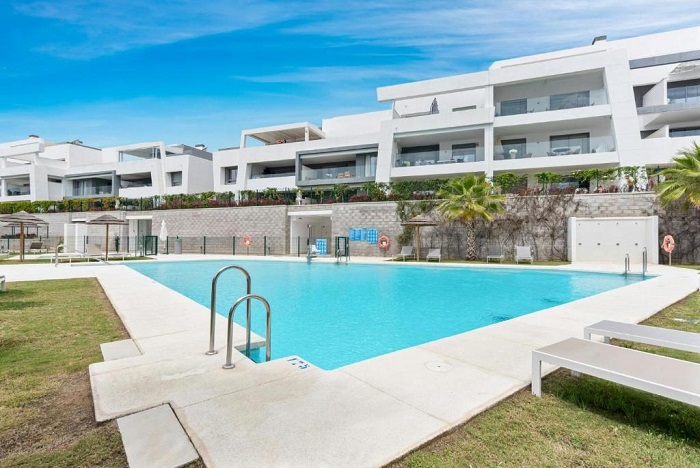
Spain’s coastline, dependable sunshine and enduring appeal to international travellers have helped create a highly active short-term rental sector, particularly on the Costa del Sol, where visitor demand extends well beyond the traditional summer season. Yet the market is no longer one in which investors can rely on location alone. As regional governments and local councils impose tighter controls in an effort to reconcile tourism with the needs of permanent residents, owners must understand the legal framework in detail if they are to avoid expensive missteps. A clear grasp of the rules is no longer simply a matter of regulatory caution; it is central to protecting a licence, preserving competitiveness and strengthening profitability. This guide examines Andalusia’s current licensing framework, outlines practical compliance measures, considers pricing tactics that can lift yields, and reviews a Marbella example that illustrates how a well-managed scheme can perform in today’s environment.
Andalusia’s rules and the added layer of local controls
In Andalusia, short-term holiday rentals are primarily regulated under Decree 28/2016, later updated in 2022, which defines the standards applying to apartments and houses offered as tourist accommodation. Within that structure, properties are divided into two principal categories. The first is Vivienda con Fines Turísticos, or VFT, which covers homes let on a nightly or weekly basis. The second is Alojamientos Turísticos, a broader category that includes professionally operated visitor accommodation such as hotels and aparthotels. Most conventional homes that are repurposed for holiday use fall within the VFT regime.
Core licensing requirements
Owners wishing to operate lawfully must register the property with the Junta de Andalucía and obtain a VFT licence number, formally known as the Código de Registro Turístico, or CR. That registration number must then be displayed in all promotional material and on every booking platform through which the property is advertised. Compliance does not end with registration. Contracts are required to be written in Spanish, guest arrivals must be recorded through the official REX system or in the relevant guest register, and the property must meet a series of baseline standards. These include appropriate fire-safety equipment, a first-aid kit and the provision of essential household items such as towels, bed linen and kitchen utensils.
Town hall restrictions and municipal variations
Regional law is only part of the picture. Many municipalities impose additional requirements of their own, and these can materially affect how, and in some cases whether, a property may be rented. Marbella, for instance, applies occupancy limits linked to square metreage and enforces noise-control rules, including restrictions relating to late arrivals. Elsewhere on the Costa del Sol, towns such as Estepona and Fuengirola have introduced limits on the granting of new licences in certain areas in response to concerns over overtourism. These municipalities also require the collection of a modest tourist tax, generally in the region of €1 to €2 per guest per night.
For investors, the practical lesson is simple. A regional CR registration is not enough on its own. Before listing a property for sale in Marbella, owners should confirm both the Andalusian requirements and the specific rules imposed by the local authority, as some town halls demand an additional local permit before holiday letting can commence legally.
Applying for a licence: documents, costs and expected timescales
Securing a short-term rental licence typically requires the preparation of several supporting documents. These generally include the title deed for the property, the community statutes showing that rentals are permitted, a valid energy performance certificate, and suitable property insurance. Applications may be submitted online through the Andalusian tourism portal or lodged directly with the local tourism office at town hall level.
The fees involved usually fall within a range of roughly €200 to €400, although the precise amount varies from one municipality to another. In some cases, an inspection of the property may be carried out in order to verify that safety measures and living standards meet the prescribed requirements. Once approval has been granted, the owner receives the CR number, usually within two to three months, and the property is entered on the official Turismo register.
In practice, applications are often delayed or rejected because of relatively minor administrative faults. Common examples include expired energy certificates, missing evidence that the community of owners permits rentals, or contracts that have not been prepared in Spanish. For that reason, many owners choose to appoint a specialist consultant or gestor to oversee the process, reduce the risk of procedural mistakes and avoid unnecessary setbacks.
Ongoing compliance: safety, tax and reporting obligations
Obtaining a licence is only the beginning. Once a property is operating, compliance becomes an ongoing management requirement. Safety equipment must be maintained properly, with annual checks on items such as fire extinguishers, smoke detectors and carbon-monoxide alarms. Professional cleaning between stays is advisable, and clear written guidance should be available to guests in more than one language. House rules, emergency contact details and check-out instructions all contribute to smoother operations and reduce the likelihood of disputes or complaints.
Tax obligations are equally important. Tourist taxes collected on a nightly basis must be remitted to the relevant municipality on a quarterly basis. Non-resident landlords are liable to pay a flat 24 per cent on gross rental income, whereas Spanish residents may deduct eligible costs, including cleaning, utilities and maintenance, before paying income tax at the applicable progressive rate. In addition, landlords are required to declare revenue generated through booking platforms using Spain’s Model 179, which must also be submitted quarterly to the Agencia Tributaria.
Data handling is another area that cannot be overlooked. Guest information falls within the scope of GDPR, which means it must be stored securely and deleted when a legitimate request for erasure is made. A transparent privacy policy should therefore be supplied to every renter, ensuring that guests understand how their personal data will be used and protected.
Pricing intelligently to lift yield across the year
In many cases, the difference between an average-performing rental and a highly profitable one lies in pricing discipline. Technology now allows owners to move beyond static seasonal tariffs and adopt a more responsive approach. Platforms such as PriceLabs, Wheelhouse and Beyond Pricing can adjust nightly rates automatically by analysing demand, comparable listings and local events.
Seasonality remains a decisive factor. The strongest rates are generally achieved from June through to September, as well as over the Christmas period, when minimum stays of five to seven nights are common. Spring and autumn typically support moderate pricing and somewhat shorter reservations. Winter, by contrast, often demands greater flexibility, with lower rates or targeted midweek promotions used to keep occupancy levels healthy.
Incentives can also be deployed strategically. Discounts for weekly or monthly stays may encourage longer bookings and reduce turnover costs, while last-minute offers within the final seven days before arrival can help fill unexpected vacancies. At the same time, owners should take care not to slip into a damaging price war. Reviewing a property’s own booking history usually provides the clearest basis for refining rates sensibly and protecting long-term margins.
Other rental structures beyond the classic holiday-let model
In areas where new VFT licences are restricted, investors are increasingly examining alternative income models. One option is the long-term rental market, typically involving leases of six months or more. These arrangements produce steadier income and fall outside the VFT framework, although returns are generally lower, often around 3 to 4 per cent.
Another growing format is the serviced apartment model, which combines a residential tenancy structure with hospitality-style features and has gained traction among corporate expatriates and remote professionals. A further possibility is the use of split-use contracts, allowing up to 90 days of tourist occupancy each year while the remainder of the time is covered by long-term tenancy. Such arrangements, however, must be drafted carefully and frequently depend on approval from the owners’ community.
Before pursuing any of these models, owners should examine the community statutes with particular care. Some buildings prohibit all forms of leasing, while others permit long-term occupation but prohibit short-term holiday activity. That distinction can be decisive.
A Marbella example: Puerta del Mar Residences
A residential block in Marbella offers a practical illustration of how compliance and performance can align. The 1970s development known as Puerta del Mar Residences was modernised and relicensed as VFT accommodation in 2023. The works included the installation of new smoke detectors, updated energy performance certificates, upgraded kitchens and bathrooms, and the implementation of a digital REX registration system for guest check-ins.
Although Marbella had imposed limits on new licences, the scheme secured an exemption because the entire block was converted. The commercial outcome was notable. In 2024, the development achieved occupancy of 78 per cent, with an average nightly rate of €180, producing a net return of 6.3 per cent.
The wider message is clear enough. Projects of this kind benefit significantly from early engagement with both municipal planners and community associations. Where those conversations take place from the outset, the path to approval is often far smoother.
Staying ready for inspections
Local inspections may occur with limited warning, so landlords are best served by maintaining a state of permanent readiness. A well-organised compliance file is essential. It should contain copies of the licence, the energy certificate, insurance documentation and emergency procedures. It should also include current contracts, guest logs, maintenance and servicing records for equipment, cleaning reports and evidence of tax submissions.
Rather than treating inspections as occasional threats, prudent owners effectively conduct their own internal reviews. Carrying out self-audits twice a year can help identify administrative gaps or operational weaknesses before an official inspection reveals them.
Profit remains achievable, but only with careful management
Short-term rental property on the Costa del Sol continues to offer attractive opportunities, but the market increasingly rewards competence rather than improvisation. Owners who obtain the correct Andalusian and municipal approvals, comply fully with safety and tax obligations, use dynamic pricing with discipline, and remain inspection-ready are in a far stronger position to maximise income while limiting legal exposure.
Whether the asset in question is a beachfront flat in Marbella or a villa in the hills of Ojén, the principle remains the same. In 2026 and beyond, success in Spain’s short-term rental market depends not only on owning the right property, but on navigating a tightening regulatory environment with precision, foresight and operational rigour.